Floor Loading Assessments & Testing for Industrial Buildings

Floor Loading Assessments & Testing for Industrial Buildings
In industrial settings, verifying the load-bearing capacity of floors is not optional — it’s essential. Whether you’re installing heavy machinery, setting up pallet racking systems, or operating lift trucks on upper floors, your structure must meet both engineering and code requirements. That’s where a Floor Loading Assessment and Testing comes in.
At HITE Engineering, we conduct certified assessments for building owners, facility managers, and engineers across Ontario. These assessments prevent catastrophic structural failures and ensure your site is legally compliant and operationally safe.
What is a Floor Loading Assessment?
A floor loading assessment involves engineering calculations and physical testing to determine how much weight a floor can safely handle. It includes analyzing the slab thickness, evaluating lift truck wheel loads, and verifying rack or equipment loads under real conditions. If required, on-site testing with calibrated weights is performed to validate assumptions.
Why Floor Load Testing Matters
- Protects workers and equipment from collapse or structural damage
- Ensures compliance with the Ontario Building Code and CCOHS guidelines
- Required for permits involving racking, lift trucks, or mezzanines
- Identifies potential retrofits before costly issues arise
What’s Included in Our Floor Load Certification Service
- Site inspection and walk-through of floor layout
- Review of structural drawings (if available)
- Concrete scanning with a transpointer to confirm thickness
- Engineering calculations for:
- Uniform loads
- Rack post loads
- Lift truck wheel loads
- Testing with client-supplied weights (if necessary)
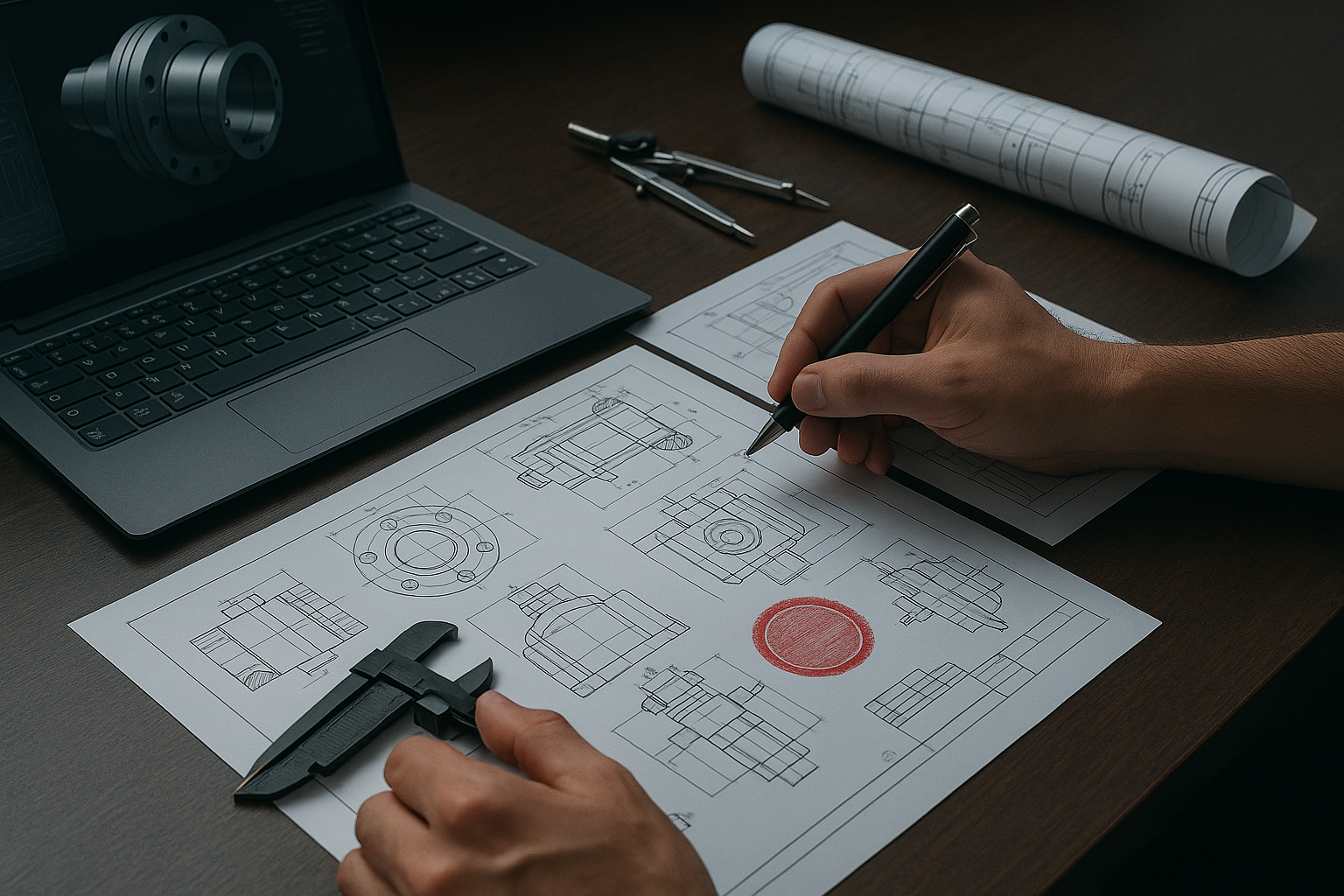
- Preparation of a stamped and sealed floor loading diagram
Learn more about our engineering services here.
Who Needs a Floor Loading Assessment?
- Facilities installing pallet racking or automated storage
- Operations using forklifts or order pickers on elevated floors
- Warehouses repurposing older buildings
- Sites applying for occupancy permits or fire code compliance
- Anyone modifying floor layouts or equipment placement
FAQ: Floor Loading Assessment & Testing
What is a floor loading assessment?
A floor loading assessment is an engineering evaluation that determines the safe weight limits (uniform and concentrated loads) a floor can support without damage or structural failure. It often includes inspection, calculation, and load testing.
When is floor load testing required in Ontario?
It’s required when installing heavy racking, machinery, or equipment; operating forklifts on elevated slabs; or when changes in use trigger code compliance (OBC/Fire Code). Building permits or fire inspections may also demand certification.
What is included in a certified floor loading report?
HITE’s stamped reports include calculated safe load limits (uniform and point), lift truck wheel load analysis, test results (if applicable), observations, and a professional engineer–sealed loading diagram suitable for wall posting.
Do lift trucks or pallet jacks affect floor loading capacity?
Yes. Lift trucks apply high, concentrated wheel loads that can exceed design limits. Our engineers assess axle spacing, wheel pressure, and slab thickness to confirm safety for this equipment.
What codes or standards govern floor loading certification?
Applicable references include the Ontario Building Code, the National Building Code of Canada, and CCOHS guidelines.
How long does it take to complete a floor loading assessment?
Typically 2–4 weeks from inspection or receipt of required documentation. HITE Engineering can accommodate urgent timelines depending on scope and access to data.
What happens if the floor fails the load assessment?
If capacity is insufficient, our report includes practical recommendations such as load reduction, slab reinforcement, or layout changes. HITE Engineering can assist with redesigns or modifications if required.
Is physical load testing always necessary?
No. If structural drawings and slab details are available, engineering calculations may suffice. Physical testing is usually reserved for unknown floor conditions or when validation is required.