Ladder Design, Installation & Inspections: Ensuring Safety and Compliance
Ladder Design, Installation & Inspections: Ensuring Safety and Compliance
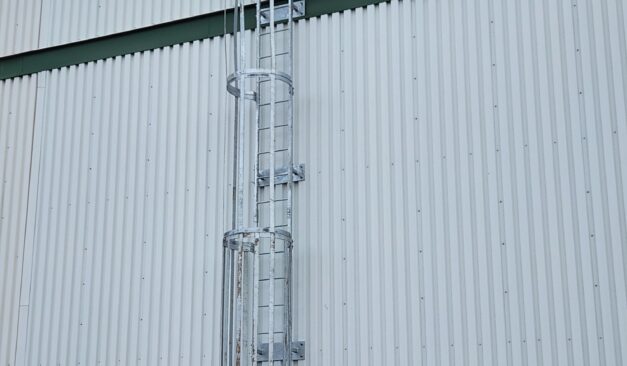
Access ladders are one of the most common – and overlooked – structural elements in industrial and commercial buildings. From rooftops to water treatment plants, ladders provide essential vertical access. Yet, when poorly designed or not regularly inspected, they become a leading cause of workplace falls and safety violations. That’s why engineered ladder design, installation, and inspection is critical for both compliance and worker safety.
The Risks of Non-Compliant Ladders
Improperly installed or outdated ladders can lead to falls, injuries, and costly fines. Many facilities still rely on older systems that don’t meet current safety standards. Missing cages, improper rung spacing, corroded materials, or insufficient anchoring are common issues that put workers at risk. According to Ontario’s Regulation 851, ladders must be engineered and maintained to meet strict requirements.
What the Law Requires
In Ontario, ladder safety is governed by the Occupational Health and Safety Act (OHSA) and the Ontario Building Code (OBC). Specific provisions include:
- O. Reg. 851, Sections 18–19 – Requirements for fixed ladders, cages, and rest platforms.
- Ontario Building Code – Clearances, rooftop access design, hatch openings.
- MOL Engineering Data Sheet 2-04 – Ladder strength, rung load, cage dimensions.
- ANSI A14.3 / OSHA guidelines – Industry-recognized best practices for ladder design and fall protection.
Key Design Considerations
Every ladder must be designed for its environment and use. Engineers consider factors such as:
- Height and need for cages or rest platforms
- Rung spacing and non-slip surfaces
- Material selection (steel, aluminum, stainless steel)
- Anchoring and connection details
- Fall arrest integration for ladders over 5 metres
The Importance of Professional Installation
Even the best ladder design fails if installation is poor. Improper anchoring or misaligned cages can create hidden hazards. A professional engineering-led process ensures that ladders are installed to specification, tested, and ready for use – reducing liability and ensuring compliance from day one.
Inspection and Maintenance
Ontario’s OHSA requires that ladders be inspected at least annually. Regular inspections identify corrosion, loose connections, and wear before they lead to incidents. HITE Engineering’s ladder inspection services provide full reports, noting deficiencies and recommending corrective action to keep facilities compliant.
Industries That Rely on Safe Ladders
While every industry uses ladders, certain sectors rely heavily on engineered solutions:
- Industrial manufacturing plants
- High-rise commercial and residential buildings
- Municipal infrastructure (e.g., water treatment plants)
- Warehouses and logistics facilities
- Property management and maintenance firms
Why HITE Engineering?
With decades of experience, HITE Engineering combines engineering expertise with field-ready inspection and installation services. Our solutions cover the full lifecycle:
- Engineered ladder design compliant with OHSA, OBC, CSA, and ANSI
- Sealed drawings and specifications for installation
- Certified ladder inspections and compliance reports
- Retrofit and replacement of outdated systems
We don’t just supply ladders—we ensure your access systems meet legal and safety obligations, while protecting workers every day.
FAQ: Ladder Safety, Design & Inspections
When does Ontario law require fixed ladders to have safety cages?
Under OHSA Regulation 851, Section 18, fixed ladders over 5 metres must have a cage or equivalent fall protection. Rest platforms are required every 9 metres.
How often must ladders be inspected in Ontario?
At minimum, ladders must be inspected annually. However, more frequent checks are recommended in high-use or corrosive environments to prevent hidden hazards.
What materials are most durable for industrial ladders?
Galvanized steel is the industry standard for durability. Aluminum is lightweight and corrosion-resistant, while stainless steel is preferred in food, pharmaceutical, or chemical environments.
What are the most common ladder deficiencies found during inspections?
Corrosion, damaged or bent rungs, missing safety cages, loose anchoring, and ladders not meeting current rung spacing standards are among the most common deficiencies.
Can older ladders be retrofitted for compliance?
Yes. Many non-compliant ladders can be upgraded with cages, rest platforms, or fall arrest systems. If retrofitting isn’t feasible, full replacement may be required.
Who is responsible for maintaining ladder compliance?
The employer or building owner is legally responsible for ensuring ladders meet OHSA and OBC requirements. Partnering with an engineering firm like HITE ensures due diligence and compliance.
Start with a Safer Access Plan
Whether you’re installing a new ladder, retrofitting an old one, or booking an inspection, safe access starts with compliance. Contact HITE Engineering today to discuss your project and keep your facility safe and inspection-ready.
Related Articles